If you own older wood siding in Sellwood, fall moisture is your biggest threat before winter arrives. Aging siding absorbs rainfall quickly, allowing moss, algae, and mold to take hold while cracked paint and failed caulk let water penetrate deep into sheathing and framing. You’ll want to clean surfaces, clear gutters, and inspect seals before freeze-thaw cycles make the damage permanent. Everything you need to protect your siding through winter is covered ahead.
Key Takeaways
-
Sellwood homes built between 1910–1950 require fall siding maintenance to prevent moisture absorption, cracking, and structural damage behind aging wood surfaces.
-
Professional pressure washing removes moss, algae, and biofilm that trap moisture against older siding before winter rains intensify organic growth.
-
Inspecting and repairing cracked paint and caulk seals prevents deeper water penetration that expands during freeze-thaw temperature cycles.
-
Clearing gutters and downspouts redirects water away from siding, reducing overflow that accelerates wood deterioration and biological growth.
-
October maintenance is more cost-effective than spring repairs, as untreated moisture damage compounds significantly throughout Portland’s wet winter season.
Why Old Sellwood Siding and Fall Rain Are a Bad Combination
Sellwood’s housing stock tells its age through its siding. Many homes in this neighborhood were built between the 1910s and 1950s, leaving them with old siding that’s absorbed decades of Portland’s wet seasons. When fall arrives, rain accumulation doesn’t just sit on the surface — it works into micro-cracks, gaps around trim, and failing paint edges. Wood siding expands and contracts with moisture fluctuations, accelerating deterioration with each cycle. If you’ve got lapped wood boards or original cedar shingles, you’re dealing with materials that were never designed for neglect. Organic buildup — algae, mold, and mildew — colonizes these surfaces quickly in Sellwood’s shaded lots. Without intervention, that moisture penetration moves inward, threatening sheathing, insulation, and structural framing before you notice visible damage. Scheduling routine inspections during dry spells allows for timely identification of organic growth and moisture intrusion before conditions worsen through the rainy season, making frequent inspections and scheduled cleaning a critical part of protecting older siding.
How Fall Moisture Breaks Down Aging Wood Siding
When fall moisture works into aging wood siding, it doesn’t behave like surface water you can simply dry off. Moisture retention inside the wood fibers accelerates wood deterioration in ways that aren’t always visible until serious damage has already occurred.
Sellwood’s older homes face specific breakdown patterns each fall:
-
Paint and caulk seals crack, letting water penetrate deeper into the wood grain
-
Trapped moisture expands during temperature swings, splitting boards from the inside
-
Organic buildup like moss and algae locks additional moisture against the surface
-
Repeated wet-dry cycles weaken structural integrity over multiple seasons
-
Mold colonies establish inside the wood, compounding rot
Moss and algae growth(moss and algae growth) can also weaken the structural integrity of exterior surfaces beyond just siding, making it important to address organic buildup across the entire home exterior before winter sets in. Catching these issues early keeps minor moisture problems from becoming costly siding replacements.
Why Fall Is When Moss and Algae Do the Most Siding Damage
Fall in Sellwood creates near-perfect conditions for moss and algae to colonize siding surfaces. Cooling temperatures, reduced sunlight, and persistent rainfall combine to sustain the moisture levels that drive moss growth and algae proliferation. Unlike summer, when UV exposure and heat limit biological activity, fall keeps siding consistently damp for weeks at a time.
Older wood siding is especially vulnerable. Once moss establishes root-like structures called rhizoids, it physically penetrates wood grain, accelerating deterioration. Algae proliferation creates a slick biofilm that traps additional moisture against the surface, compounding the damage already discussed in the context of aging wood siding. Left unaddressed, this prolonged moisture retention can lead to wood rot and mold, threatening the structural integrity of your home’s exterior from the inside out.
You’ll find that addressing biological growth before winter arrives prevents compounding structural damage. Waiting until spring means allowing months of unchecked colonization to weaken your siding further.

Soft Spots, Dark Stains, and Other Signs Fall Damage Has Started
Recognizing early damage signs lets you intervene before fall moisture turns minor surface issues into structural repairs. On Sellwood’s older homes, compromised siding shows distinct warning patterns once fall saturation sets in.
Watch for these indicators:
-
Soft spots along lap siding or trim boards where wood fiber has begun breaking down beneath the surface
-
Dark stains running vertically from window sills, indicating trapped condensation or failed caulking
-
Paint bubbling or peeling near roof junctions and eave lines
-
Visible moss or algae colonies forming at siding seams and shadow-prone wall sections
-
Musty odors near interior walls adjacent to north-facing exterior panels
Each sign points to active moisture intrusion. Addressing these symptoms early through professional house washing and moss removal protects Sellwood’s aging wood and fiber cement siding from accelerating structural deterioration.
Clean Your Siding Before Winter Makes the Damage Permanent
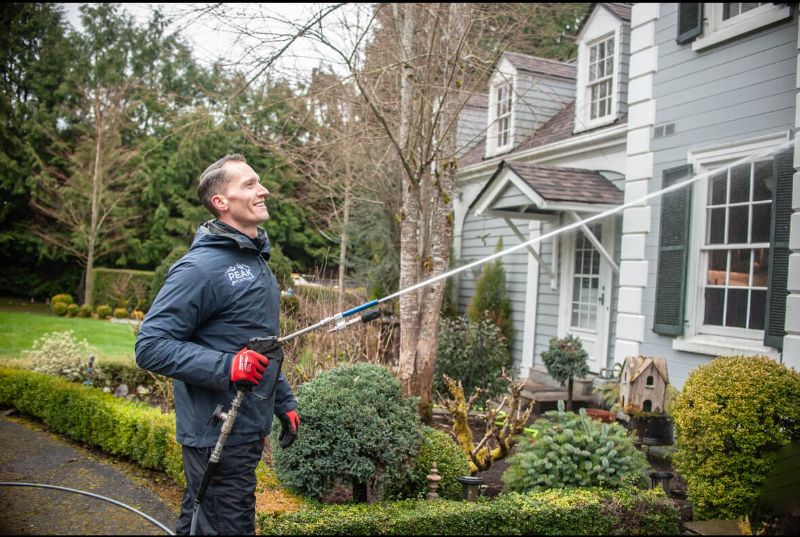
Fall is your best window to clean Sellwood’s older wood and fiber cement siding before Portland’s winter rains lock moisture into compromised surfaces. Organic buildup—mold, algae, and dirt—accelerates deterioration by trapping water against siding that’s already weakened by age and seasonal exposure. Once freezing temperatures arrive, that trapped moisture expands, widens cracks, and turns manageable surface contamination into structural repair bills. Professional pressure washing uses industrial-grade cleaning equipment that removes stubborn buildup far more effectively than DIY methods, giving aging siding a better chance of withstanding the months ahead.
Why Fall Timing Matters
There’s a narrow window between the end of summer and the arrival of Portland’s sustained fall rains when cleaning your siding actually makes a lasting difference. Fall maintenance isn’t optional for older Sellwood homes—it’s seasonal preparation that prevents compounding damage. Once moisture saturates compromised paint or wood fiber, winter cold locks that damage in place.
Timing your cleaning correctly means:
-
Surfaces dry faster before October rain patterns intensify
-
Treatments and sealants bond properly to clean, dry material
-
Moss spores haven’t yet established deep root systems
-
You identify failing caulk or paint before freeze-thaw cycles worsen cracks
-
Professional cleaning crews have availability before peak demand hits
Miss this window and you’re not just dirty—you’re heading into winter with accelerating deterioration already underway. Unchecked moss and algae retain moisture against your siding, and chemical biocide treatments applied during this dry window can halt their growth before winter conditions make removal far more difficult.
Moisture Damages Old Siding
Sellwood’s older homes—many built before modern moisture barriers were standard—don’t handle wet seasons passively. When organic debris, algae, and grime accumulate on aging wood or composite siding, they trap moisture directly against the surface. That sustained contact accelerates mold growth, softens paint bonds, and compromises the structural integrity of siding boards over time.
Fall is your window to intervene before Portland’s rainy season locks in the damage. Professional house washing removes the biological buildup that retains moisture and feeds mold colonies through winter. Consistent siding maintenance isn’t cosmetic—it’s protective. Once water infiltrates cracked or compromised siding, repair costs escalate considerably. Cleaning before temperatures drop gives treated surfaces time to dry properly and enter winter in defensible condition. Professionals also use biodegradable detergents and water-efficient techniques that minimize environmental impact while delivering thorough results.
Act Before Winter Arrives
Once Portland’s wet season establishes itself, cleaning windows close fast. Seasonal preparation now protects your Sellwood siding from compounding damage through February. Preventive maintenance completed in October costs markedly less than replacing moisture-compromised boards in spring.
Prioritize these tasks before winter arrives:
-
Remove organic buildup from wood and fiber cement surfaces
-
Clear gutters and downspouts to redirect water away from siding
-
Eliminate moss colonies before freeze-thaw cycles force them deeper
-
Inspect paint and caulking for breaches where moisture infiltrates
-
Schedule professional house washing while dry weather still permits
Waiting isn’t neutral—moisture and biological growth actively degrade your siding every week. Experts recommend inspecting roofs and gutters at least twice a year, particularly after severe weather events that accelerate organic growth and debris accumulation on exterior surfaces. Peak Pressure Washing serves Sellwood and surrounding Portland neighborhoods with targeted exterior cleaning that stops seasonal damage before it becomes structural.
Signs Your Siding Needs a Professional Cleaning Before Fall Ends
How do you know when your Sellwood home’s siding has crossed the line from surface-level grime to a problem that needs professional attention? Watch for these specific indicators: dark vertical streaking below gutters, green or black biological growth in shadow zones, chalky residue on painted wood, and soft or spongy texture when you press against siding boards. Portland’s wet fall accelerates all of these conditions rapidly.
Seasonal cleaning isn’t optional for older Sellwood homes — it’s structural protection. If you’re seeing discoloration that doesn’t rinse off with a garden hose, biological growth covering more than a few square feet, or paint that’s beginning to peel at seams, you’ve passed the threshold for DIY solutions. Proper siding maintenance at this stage requires professional equipment and targeted cleaning agents. Clogged gutters overhead are often the hidden culprit, since gutter overflow from debris can channel water directly onto siding surfaces and accelerate the exact damage patterns described above.
Frequently Asked Questions
Does Cedar Siding Handle Fall Moisture Better Than Painted Wood Siding?
Cedar handles fall moisture better naturally, but you’ll still need consistent cedar maintenance to maximize siding longevity. Portland’s wet seasons penetrate both materials, so you can’t skip regular cleaning and protective treatments.
How Much Does Professional Siding Cleaning Typically Cost in Sellwood?
You’ll typically pay $200–$500 for professional siding cleaning in Sellwood, depending on home size and siding condition. Following siding maintenance tips maximizes professional cleaning benefits, protecting your older siding from Portland’s fall moisture damage effectively.
Can I Seal My Siding After Cleaning to Prevent Future Moisture Damage?
Yes, you can seal your siding after cleaning to boost moisture prevention. It’s a smart siding maintenance step for Sellwood’s wet falls—just guarantee surfaces are fully dry and mold-free before applying any sealant.
How Long Does a Professional House Washing Service Usually Take?
Most house washing jobs take 2–4 hours, depending on your home’s size and siding condition. For older Sellwood properties, you’ll want to factor in extra time for moss treatment. These maintenance tips help guarantee thorough, lasting results.
Will Homeowner’s Insurance Cover Moisture Damage Caused by Neglected Siding?
Most insurers won’t cover moisture damage from neglected siding, as they classify it as a maintenance failure. You’ll strengthen your moisture prevention efforts and avoid denied insurance claims by scheduling regular professional house washing with Peak Pressure Washing.
Conclusion
Don’t let Sellwood’s fall moisture season catch you off guard. Your older siding is already working against time, and Portland’s wet climate accelerates every vulnerability in aging wood, vinyl, and fiber cement. Once you spot soft spots, dark stains, or biological growth, you’re already behind. Schedule a professional exterior cleaning before winter locks in the damage — it’s the most cost-effective step you can take to protect your home’s structural integrity and appearance heading into the coldest months.