If your home sits near the Columbia River in Camas, WA, you’re dealing with humidity that regularly exceeds 80% during fall and winter. That sustained moisture creates near-perfect conditions for algae spore germination and year-round colonization. Shaded surfaces stay wet considerably longer, compressing the timeline for visible growth from months to weeks. The specific microclimatic and structural factors driving this acceleration are worth understanding before the damage compounds.
Key Takeaways
-
The Columbia River generates humidity often exceeding 80%, creating ideal moisture conditions for algae spore germination and year-round growth.
-
Shaded north-facing surfaces stay wet 40–60% longer than sunlit areas, accelerating algae colonization significantly.
-
Asphalt roof shingles contain limestone granules that provide nutrients, making them among the first surfaces to show visible algae.
-
Algae can establish visible growth within weeks, with untreated surfaces risking structural damage within six months to a year.
-
Tree canopies trap moisture and reduce evaporation, creating localized microclimates that further accelerate biological growth on nearby surfaces.
Why Columbia River Moisture Accelerates Algae Growth
Camas, WA sits less than a mile from the Columbia River, and that proximity directly drives the persistent algae problem homeowners face here. The river generates consistent humidity, keeping exterior surfaces damp far longer than inland areas experience.
Algae spores thrive in moisture levels above 70% relative humidity—conditions Camas meets regularly, especially between October and April. Your roof, siding, and concrete absorb that ambient moisture, creating ideal colonization conditions.
Without algae prevention strategies, spores establish within weeks and penetrate porous surfaces within months. Moisture control techniques like improving drainage, trimming overhanging vegetation, and scheduling routine professional cleanings directly interrupt this growth cycle. Regular inspections and effective maintenance strategies are essential to keep algae at bay.
Understanding the river’s microclimatic influence helps you make smarter, more targeted decisions about protecting your home’s exterior surfaces year-round.
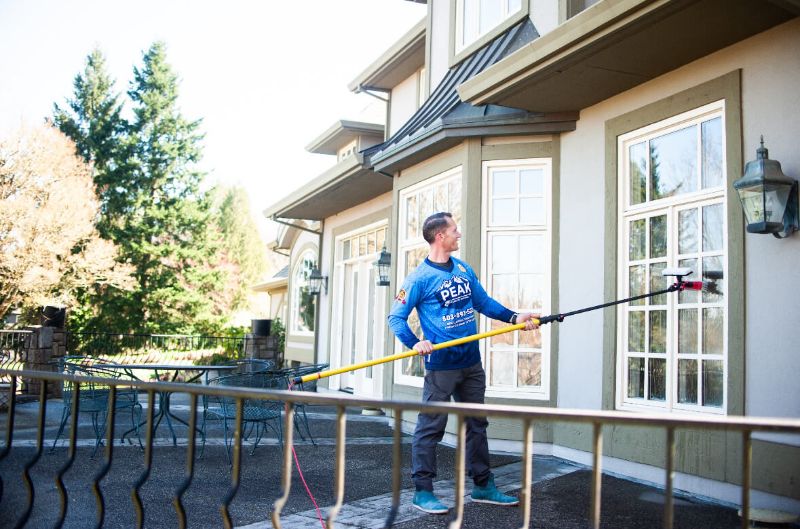
The Microclimates That Make Camas Homes Vulnerable
Your home’s position relative to the Columbia River directly influences how quickly algae establishes itself on exterior surfaces. River-driven humidity elevates ambient moisture levels, creating conditions where algae spore germination accelerates markedly. Shaded roof sections and north-facing walls compound this effect by trapping that moisture, reducing evaporation rates and extending the wet periods algae needs to thrive. Regular inspections and scheduled cleaning routines are essential to mitigate these conditions and protect your roof from damage.
River Humidity Accelerates Growth
Sitting along the Columbia River, Camas experiences relative humidity levels that regularly exceed 80% during fall and winter months—conditions that are nearly ideal for algae and moss colonization on exterior surfaces.
The river ecosystem functions as a continuous moisture source, releasing evaporated water that saturates the surrounding air and keeps exterior surfaces perpetually damp. Unlike inland properties that experience drying cycles between rain events, your home near the Columbia stays wet longer because moisture levels rarely drop low enough to interrupt biological growth.
Algae reproduces most efficiently when surface moisture persists for 12 or more consecutive hours—a threshold Camas properties frequently meet. This sustained dampness compresses the timeline between initial spore contact and visible surface discoloration, meaning growth accelerates faster than you’d typically expect.
Shaded Areas Trap Moisture
Beyond the river’s influence, the tree canopy and structural shading patterns across Camas neighborhoods create localized microclimates where moisture lingers well after surrounding areas have dried.
When sunlight can’t reach north-facing walls, roof sections beneath overhanging branches, or fence panels adjacent to dense landscaping, moisture retention increases dramatically. Shaded surfaces stay wet 40–60% longer than exposed surfaces under equivalent conditions, giving algae spores the extended hydration window they need to establish colonies.
Your home’s eaves, lower roof edges, and siding sections tucked beneath tree cover are particularly vulnerable. These zones don’t just stay damp—they cycle through repeated wet-dry patterns at reduced rates, compounding biological growth over successive seasons without visible warning until surface degradation becomes measurable.
Which Surfaces Algae Targets First on River-Area Homes
If you own a home near the Columbia River, your roof shingles take the first hit—algae spores settle into asphalt granules and establish colonies within months under Camas’s persistent cloud cover.
North-facing siding follows closely, as reduced sun exposure keeps surface moisture levels high enough to sustain biological growth year-round.
Wooden decks and fences compound the problem further, since their porous grain structure absorbs water and organic debris, creating an ideal substrate for accelerated algae spread. Regular cleaning serves as preventative care to mitigate the growth of these contaminants.
Roof Shingles First
Algae doesn’t colonize all exterior surfaces equally — on river-area homes like those in Camas, WA, roof shingles are almost always the first surface to show visible growth.
Asphalt shingles contain limestone filler, which algae metabolizes as a nutrient source, accelerating colonization under high-humidity conditions.
Key factors driving shingle vulnerability:
-
North-facing slopes retain moisture longest, creating ideal germination zones
-
Limestone-based granules provide direct nutritional fuel for Gloeocapsa magma
-
Low roof pitch reduces water runoff speed, extending surface saturation
-
Overhanging tree canopy limits UV exposure that would otherwise inhibit growth
-
River-driven humidity sustains spore viability between rain events
Applying algae prevention strategies early — including zinc strip installation and routine inspections — remains central to effective roof maintenance tips for Camas homeowners.
North-Facing Siding
After roof shingles, north-facing siding is the next surface that consistently shows algae colonization on river-area homes in Camas, WA.
North-facing challenges stem from reduced solar exposure, which limits natural drying cycles and keeps surface moisture elevated for extended periods. Combined with Columbia River humidity, these conditions create ideal biofilm development on wood, vinyl, and fiber cement siding materials.
Algae typically establishes visible growth within one to two seasons if you neglect siding maintenance on these orientations. Spores transported by wind and moisture accumulate in surface irregularities, accelerating colonization.
Staining progresses from light discoloration to deeply embedded pigmentation, which becomes increasingly difficult to remove without professional intervention. Addressing north-facing siding proactively prevents structural moisture intrusion and preserves your home’s exterior integrity long-term.
Wooden Decks And Fences
Wooden decks and fences represent another high-priority vulnerability on river-area homes in Camas, WA, and they’re often more susceptible to rapid algae colonization than siding due to their horizontal orientation and direct ground contact.
Deck maintenance and fence preservation become critical priorities when Columbia River humidity combines with wood’s porous structure.
Key colonization factors include:
-
Horizontal deck surfaces retain moisture 40–60% longer than vertical siding
-
Wood grain creates microscopic channels that trap organic debris
-
Ground proximity increases spore exposure from soil and vegetation
-
Shaded fence boards receive minimal UV radiation to inhibit growth
-
Weathered wood loses protective resins, accelerating biological infiltration
Without proactive intervention, algae penetrates wood fibers structurally, degrading both aesthetic value and load-bearing integrity faster than most homeowners anticipate.
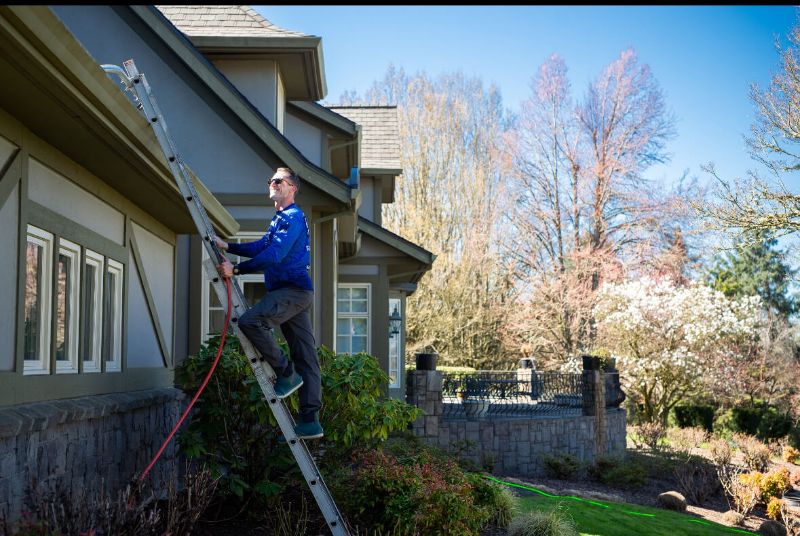
How Fast Algae Spreads If Left Untreated
Once algae takes hold on your home’s exterior, it spreads faster than most homeowners expect. Under ideal conditions—consistent moisture, moderate temperatures, and organic debris—a single algae colony can double in size within days.
Camas homes near the Columbia River face these exact conditions year-round.
The algae lifecycle accelerates this problem. Spores detach from existing colonies, travel via wind and water runoff, and colonize adjacent surfaces within weeks.
What starts on your roof migrates to siding, concrete, and fencing without intervention.
Delaying treatment options compounds the damage considerably. After six months, surface penetration deepens, making removal notably harder and more expensive.
After a full year, structural deterioration becomes a measurable risk. Acting early isn’t optional—it’s the most cost-effective decision you can make. Additionally, high humidity supports year-round growth of moss, lichen, and mildew, further complicating maintenance efforts.
DIY vs. Professional Algae Removal in Camas WA
Knowing how fast algae spreads puts the next question in sharp focus: should you remove it yourself or hire a professional?
DIY techniques offer a low-cost entry point, but they rarely match the precision of professional equipment.
Consider the key differences:
-
Surface penetration: Consumer sprayers operate at 1,500–2,000 PSI; professional units reach 4,000 PSI
-
Chemical application: Professionals use calibrated soft-wash solutions that kill algae at the root
-
Coverage efficiency: DIY methods miss vertical and recessed surfaces
-
Damage risk: Incorrect pressure strips roofing granules and etches concrete
-
Recurrence rate: Untreated spores regrow within 60–90 days
For Camas homes facing Columbia River humidity, professional removal delivers measurable, longer-lasting results that DIY techniques simply can’t replicate consistently. Additionally, engaging professionals ensures tailored cleaning techniques that are effective for specific materials and conditions.
How Often Camas Homeowners Should Schedule Exterior Cleaning
Scheduling exterior cleaning on a consistent cycle prevents algae from completing its full colonization timeline—typically 30–60 days from spore contact to visible coverage in Camas’s high-humidity environment.
For most riverfront and low-elevation properties, you’ll need professional cleaning frequency set at bi-annual intervals—spring and late summer—to interrupt growth cycles before biofilm anchors into porous surfaces.
North-facing facades and shaded rooflines may require three treatments annually given reduced UV exposure.
Key maintenance tips include inspecting gutters every 90 days, monitoring grout lines and wood grain for early discoloration, and scheduling moss treatments before fall moisture peaks.
Data consistently shows that properties maintained on structured intervals spend 40–60% less on remediation costs compared to reactive cleaning approaches.
Consistency is your primary defense against accelerating biological surface degradation.
Frequently Asked Questions
Does Algae Growth Near the Columbia River Affect Home Resale Value?
Yes, algae growth can hurt your home value. Market trends show buyers discount properties with visible biological buildup, as it signals neglect and potential structural damage—factors that directly impact your competitive position during resale negotiations.
Can Algae From River Moisture Cause Health Problems for Camas Residents?
Yes, river health concerns are real—algae toxins like microcystin can trigger respiratory issues, skin irritation, and allergic reactions. If you’re noticing green growth on your home’s exterior, you’re potentially exposing your household to harmful airborne spores daily.
Are Certain Paint Colors or Finishes More Resistant to Algae Growth?
Yes, certain paint types resist algae better. You’ll find that lighter colors and satin or semi-gloss finishes offer superior finish durability, as their smoother surfaces reduce moisture retention, limiting the organic buildup algae needs to thrive.
Does Homeowners Insurance Cover Algae Damage on Camas Properties?
Most policies won’t cover algae damage since it’s considered neglect. You’ll need to review your insurance policy specifics carefully. Following algae prevention tips proactively protects your home and strengthens any potential coverage claims you make.
What Time of Year Is Algae Growth Least Active in Camas WA?
Algae growth patterns slow most in July and August, when Camas WA’s dry, warm conditions reduce moisture levels. Seasonal weather effects—lower rainfall and higher UV exposure—naturally suppress algae activity, giving your exterior surfaces a brief recovery window.
Conclusion
If you’re living near the Columbia River in Camas, the data is clear — elevated humidity levels, persistent shade, and consistent moisture output create measurably faster algae colonization on your home’s exterior surfaces. You’re dealing with a compounding environmental equation that doesn’t pause between seasons. Scheduling professional exterior cleaning every 12-18 months isn’t optional maintenance — it’s a calculated protective measure against accelerated material degradation that costs considerably more to repair than to prevent.